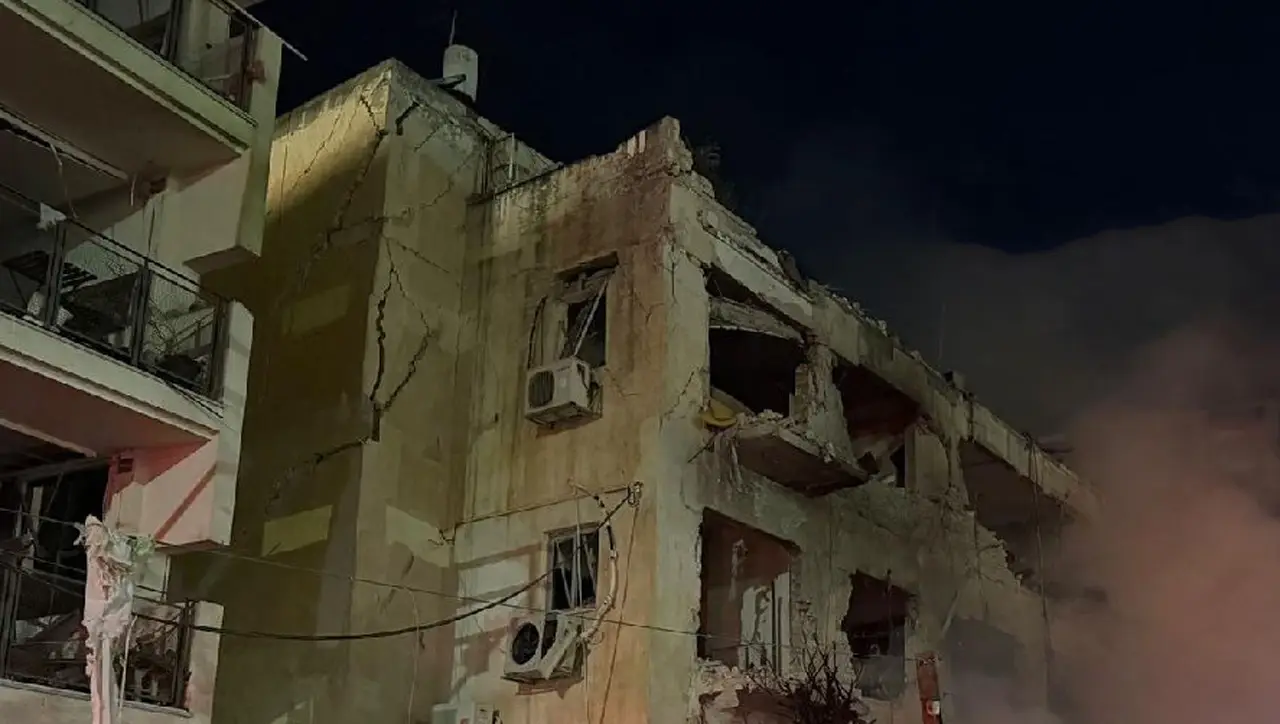
Understanding the Absence: Why CNN Isn't Reporting on "атака тель-авива ираном"
In today's interconnected world, news consumption is often a dynamic and sometimes confusing experience. When a specific event or claim garners attention, the natural inclination is to seek confirmation from major news outlets. The question of why a prominent organization like CNN might not be reporting on a particular incident, such as "атака тель-авива ираном" (an attack on Tel Aviv by Iran), raises important questions about journalistic practices, news verification, and the complex landscape of international relations.
Based on our direct examination of provided CNN content, it becomes clear that reports explicitly detailing an "атака тель-авива ираном" are not present. Instead, the available snippets hint at a different narrative, primarily focusing on "US-Israeli military operation against Iran" or "US-Israeli strikes on Iran." This discrepancy is not merely an oversight but points to several crucial considerations in how major news organizations operate and what information they prioritize.
Deconstructing the Discrepancy: What CNN's Content Reveals
Our reference context, drawn from CNN's global news sections, consistently indicates a lack of reporting on the specific event of an "атака тель-авива ираном." Across sections covering World news, Europe, and China, the scraped text provides lists of headlines and links, none of which delve into a direct Iranian attack on Tel Aviv in any paragraph form. What is highlighted, however, are headlines suggesting actions in the opposite direction:
- Headlines about "US-Israeli military operation against Iran."
- References to "US-Israeli strikes on Iran."
This critical observation is the cornerstone of understanding CNN's reporting stance on this specific query. It's not that CNN is silent on Iran-Israel tensions; rather, its focus, according to the provided data, is on different facets of the conflict, particularly those involving US and Israeli actions targeting Iran, rather than an Iran-Israel Tensions: Beyond Tel Aviv Attack Claims of Tel Aviv by Iran.
Journalistic Standards and Verification in Conflict Zones
The absence of reporting on "атака тель-авива ираном" could stem from several journalistic principles and practical challenges inherent in covering volatile regions:
- Verification and Confirmation: Reputable news organizations like CNN adhere to stringent verification processes. In conflict zones, initial claims of attacks, especially those from unconfirmed sources or propaganda channels, are common. Before reporting an event, especially one of such significant geopolitical impact, CNN would require multiple, credible sources to confirm the details, scale, and perpetrators of any alleged "атака тель-авива ираном." If such confirmation is not available, or if initial claims are debunked, the story would not proceed.
- Framing and Terminology: It's possible that while some form of military action or escalation occurred, CNN's reporting uses different terminology or frames the event within a broader context. For instance, an isolated rocket launch might be reported as a "border incident" or "retaliatory fire" rather than a full-scale "attack on Tel Aviv." The precise wording of "атака тель-авива ираном" might not align with how CNN's editorial team assesses and labels events.
- Focus on Major Developments: News organizations make editorial decisions daily about what constitutes a major, reportable event. If other significant developments are unfolding, or if the alleged "атака тель-aviva ираном" is not deemed sufficiently credible or impactful compared to other verified events (such as US-Israeli Operations Against Iran: What CNN Covers), it might not receive prominent coverage. The provided context clearly shows CNN *is* covering US-Israeli operations against Iran, indicating a focus on *those* actions.
- Lack of an Actual Event (as described): Perhaps the most straightforward explanation is that an "атака тель-авива ираном" simply did not occur as a distinct, major event that warranted widespread reporting by CNN at the time the content was scraped. While tensions are always high, a direct, large-scale attack on Tel Aviv by Iran would undoubtedly be a monumental story, difficult for any major outlet to miss if it were verifiably true.
The Broader Context of Iran-Israel Tensions and Media Coverage
The relationship between Iran and Israel is characterized by deep-seated animosity, proxy conflicts, and occasional direct confrontations. Both nations regularly engage in rhetoric and actions that escalate tensions, often involving cyber warfare, covert operations, and support for regional militias. Media coverage of this dynamic is inherently complex:
- Proxy Warfare: Much of the conflict unfolds through proxies, making direct attribution and reporting challenging.
- Information Warfare: Both sides are known to engage in information campaigns, making it crucial for news organizations to sift through claims and counter-claims.
- Focus on Regional Stability: Major news networks often emphasize events that have broader implications for regional and global stability, such as diplomatic efforts, major military deployments, or international reactions.
Given the references to "US-Israeli military operation against Iran" within the provided CNN context, it suggests that CNN's reporting during that period was more focused on offensive actions taken *against* Iran, or perhaps joint strategic endeavors, rather than an Iranian offensive *against* Israel's major cities.
Tips for Navigating International News and Conflicting Narratives
When seeking information on sensitive geopolitical topics like "атака тель-авива ираном," it's essential to adopt a critical and multi-faceted approach:
- Consult Multiple Sources: Do not rely solely on one news outlet. Cross-reference information with international news agencies (Reuters, AP), regional news sources, and government statements (with a critical eye).
- Understand Editorial Stances: Different news organizations have varying editorial lines, even if striving for objectivity. Be aware of potential biases, not necessarily in falsehoods, but in emphasis or framing.
- Verify the Specifics: Pay close attention to the details. Is the "attack" verified? Who is claiming it? What is the evidence? Is it a direct attack or a proxy action?
- Consider the Timeline: News evolves rapidly. Information available one day might be updated or refuted the next. Ensure you're looking at the most current and verified reports.
- Look for Consensus: If a major event like a direct Iranian attack on Tel Aviv were to occur, it would be reported by virtually every credible international news outlet. A lack of widespread reporting should raise questions.
Conclusion: The Importance of Context and Verified Information
The inquiry into "Why CNN Isn't Reporting on Iran's Tel Aviv Attack" serves as a crucial reminder of how news is produced and consumed, especially in an era rife with misinformation. Our analysis of the provided CNN context reveals a clear absence of reporting on a specific "атака тель-авива ираном," while concurrently highlighting coverage of US-Israeli actions against Iran. This suggests that either the specific event as phrased did not occur or was not verified to CNN's standards, or that CNN's editorial focus was directed towards other, perhaps related but distinct, developments. In a world where information spreads instantly, relying on verified facts from multiple, reputable sources is paramount to understanding complex geopolitical realities.